Jaali: The Artful Tradition of Decorative Screens in Architecture
Jaali: The Artful Tradition of Decorative Screens in Architecture
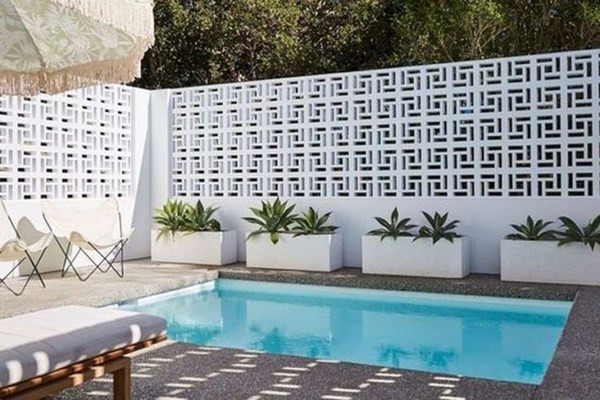
Jaali, a traditional form of decorative screenwork, has long been celebrated for its intricate designs and architectural significance. Originating from ancient India, jaali screens are often crafted from materials such as stone, wood, or metal, featuring meticulously carved patterns that serve both aesthetic and functional purposes. These screens are not just ornamental; they provide a unique blend of privacy and ventilation, filtering natural light and creating a play of shadows that enhances the spatial experience. The artistry behind jaali reflects a deep cultural heritage, showcasing the craftsmanship and artistic expression of past generations while fulfilling practical needs.
In contemporary architecture, jaali has experienced a renaissance, finding new applications in modern designs while preserving its traditional charm. Architects and designers are reimagining jaali to complement contemporary styles, integrating it into facades, partitions, and even interior elements. This fusion of old and new highlights jaali’s versatility and enduring appeal, proving that while its roots are firmly planted in historical practices, its relevance continues to evolve. By bridging the gap between tradition and modernity, jaali stands as a testament to the timeless beauty and functional artistry in architecture.